


Solar panels are an excellent source of renewable energy that can help reduce our reliance on non-renewable sources of energy like coal and oil. They work by absorbing sunlight and converting it into electricity. However, they need to be mounted on a sturdy frame in order to function properly. In this article, we will discuss what solar panel mounting is, its importance, and the different types of mounting systems available.
1. Maximum sunlight absorption - Solar panels need to be placed at a specific angle, depending on the latitude of the location, in order to capture the maximum amount of sunlight. A well-designed mounting system will ensure that the panels are placed at the optimal angle.
2. Protection from the elements - Solar panels are exposed to a range of weather conditions, including wind, rain, and snow. The mounting system needs to be strong enough to withstand these conditions and prevent damage to the panels.
3. Maintenance - Mounting solar panels properly makes it easier to perform maintenance tasks like cleaning and inspection. This can help to extend the lifespan of the panels.
1. Roof mounts - Roof mounts are one of the most common types of solar panel mounting systems. They are installed on the roof of a building and are held in place by brackets. Roof mounts are a popular choice because they don''t require additional land or space.
2. Ground mounts - Ground mounts are installed on the ground, either on a pole or on a frame. They are suitable for installations where the roof isn''t strong enough to support the weight of the panels or where there''s not enough space on the roof.
3. Pole mounts - Pole mounts are similar to ground mounts but are installed on a single pole. They are ideal for installations where there''s limited space on the ground.
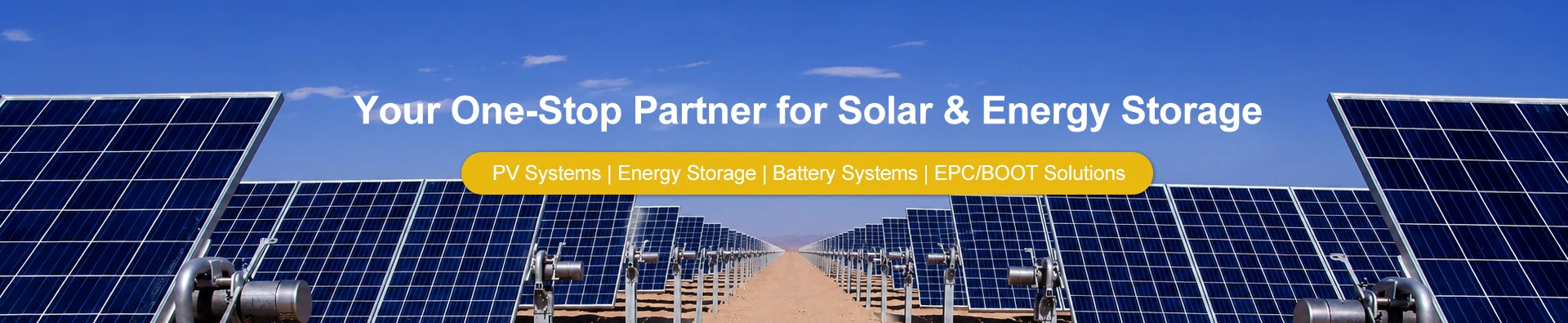
4. Tracker mounts - Tracker mounts are designed to follow the sun''s movement throughout the day. They are more expensive than other types of mounts but can increase the efficiency of the panels by up to 30%.
1. Roof type - The type of roof on the building will determine the type of mounting system that can be used. For example, a flat roof will require a different mounting system than a sloped roof.
2. Wind and snow loads - The mounting system must be able to withstand the wind and snow loads in the area. This will depend on the location of the installation.
3. Building codes - Local building codes may require specific types of mounting systems to be used. It''s important to check these requirements before installing solar panels.
4. Panel orientation - The way the panels are oriented on the mounting system will determine how much sunlight they can absorb. This will depend on the latitude of the installation.
Solar panel mounting is an essential part of any solar panel installation. A well-designed mounting system will ensure that the panels are placed at the optimal angle and are protected from the elements. There are several types of mounting systems available, depending on the type of installation and the location of the panels. When choosing a mounting system, it''s important to consider factors like roof type, wind and snow loads, building codes, and panel orientation.